
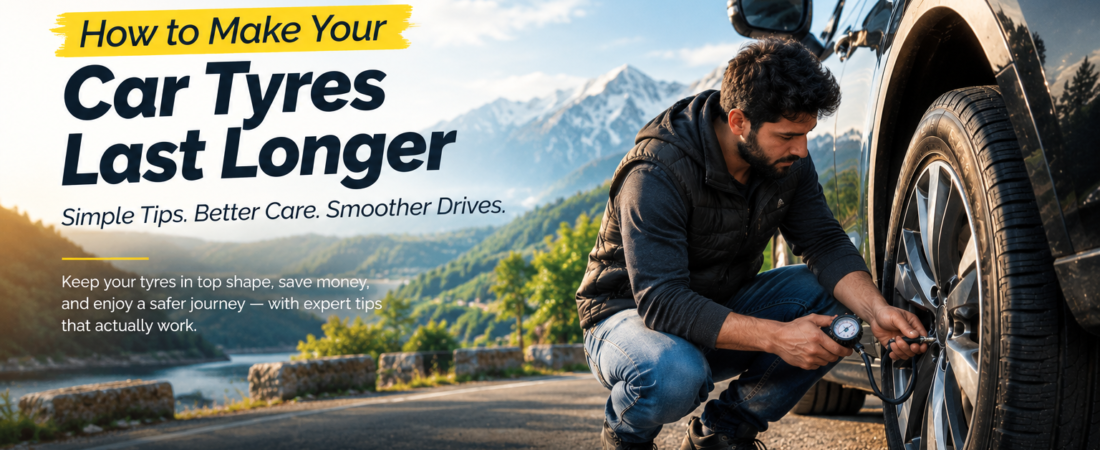
A good set of tyres makes a real difference to how your car feels on the road. They help you brake, steer and stay in control, especially when the weather changes or the road gets rough. The good news is that you do not need a complicated maintenance routine to care for them. A few simple checks, done regularly, can help your tyres wear more evenly and may help you get more useful life from them.
Whether you mainly drive around the city, commute every day or head out on longer road trips, here are practical ways to look after your tyres—and the warning signs you should never ignore.
1. Check tyre pressure before it becomes a problem
Tyre pressure is easy to overlook, but it affects how your car handles and how the tread wears. When a tyre is underinflated or overinflated, it may not meet the road as intended. That can contribute to uneven wear and affect braking and fuel efficiency.
Make a habit of checking pressure at least once a month and before a long journey. For a reliable reading, check when the tyres are cold and use the recommended pressure listed on your vehicle’s door label or in the owner’s manual. The maximum pressure printed on the tyre sidewall is not usually the everyday setting your car needs. If you notice pressure dropping repeatedly, have the tyre checked for a leak or damage.
2. Give your tyres a quick visual check
You do not need to be a mechanic to notice when something looks wrong. Every so often, take a look around each tyre. Watch for cuts, cracks, bulges, nails, stones lodged in the tread or wear that looks heavier on one side than the other.
A bulge, exposed cords, significant damage or a tyre that keeps losing pressure needs prompt attention from a qualified tyre professional. Do not ignore these signs or assume that adding air will solve the problem. Also keep an eye on tread depth and replace tyres when they reach the applicable legal limit or when a professional recommends replacement.
3. Pay attention to alignment and wheel balancing
Have you noticed the steering wheel vibrating, or does the car seem to pull to one side on a straight road? These symptoms can have several causes, but they are worth checking rather than putting off. Incorrect wheel alignment can contribute to uneven tyre wear, while an unbalanced wheel can cause vibration.
Potholes and hard knocks against kerbs can also affect wheels and alignment. If your car’s handling changes after an impact—or you spot unusual wear—arrange an inspection. Finding the cause early may help prevent further wear and make the drive feel smoother.
4. Rotate your tyres according to the vehicle manual
Tyres do not always wear at the same rate. The front tyres may work harder on some vehicles, while the drivetrain, suspension and driving habits also influence wear. Tyre rotation can help even things out, but the correct schedule and pattern depend on your car and tyre setup.
Follow the rotation instructions in your owner’s manual, and ask a tyre professional if you are unsure. Directional tyres, different front and rear tyre sizes and certain all-wheel-drive vehicles can require specific procedures, so one rotation pattern does not suit every car.
5. Drive smoothly and give rough roads extra care
Tyres take the strain when you brake suddenly, accelerate hard, corner aggressively or hit potholes at speed. A smoother driving style helps reduce unnecessary stress on your tyres and can make journeys more comfortable, too.
Leave enough distance to brake gently, slow down for rough surfaces and avoid climbing kerbs whenever possible. If you regularly travel on uneven roads, check your tyres more often and look out for damage after a hard impact.
6. Avoid carrying more than your car is designed for
Extra weight puts additional demands on tyres and can affect how the vehicle handles. Check your vehicle’s load limits and make sure your tyres meet the required specifications. If you are preparing for a trip with passengers and luggage, follow the vehicle manufacturer’s guidance for tyre pressure under load rather than guessing.
7. Choose the right tyres when replacement is due
Even well-maintained tyres eventually need replacing. When that time comes, use the size and specifications recommended by your vehicle manufacturer, including the load index and speed rating. Think about the roads you use most, the weather you drive in and your usual journeys. A qualified tyre professional can help you compare suitable options.
If you are unsure where to start, read our guide to choosing the right tyres for a helpful overview of what to consider before buying.
Frequently asked questions
How often should I check my tyre pressure?
Check it at least once a month and before longer journeys. Measure pressure when the tyres are cold and use the recommended figure in your vehicle’s manual or door label.
Can correct tyre pressure help tyres last longer?
Correct pressure helps tyres work as intended and can reduce avoidable uneven wear. Both underinflation and overinflation can cause problems, so follow the vehicle manufacturer’s recommendation.
How can I tell if my tyres need replacing?
Look for worn tread, cracks, cuts, bulges and other visible damage, but remember that some problems are not obvious from the outside. Replace tyres when they reach the applicable legal tread limit, and have any suspected damage checked by a qualified professional.
Does wheel alignment affect tyre wear?
Yes. Incorrect alignment can cause tyres to wear unevenly or more quickly. If the car pulls to one side or you notice unusual tread wear, arrange an inspection.
Will tyre rotation make them last longer?
Rotation can help tyres wear more evenly when it is appropriate for the vehicle. Follow the schedule and pattern in the owner’s manual, because tyre designs and vehicle layouts differ.
Is the pressure printed on the tyre sidewall the pressure I should use?
Not usually. The sidewall marking generally indicates a maximum pressure under specified conditions. For everyday use, follow the pressure recommended by your vehicle manufacturer.
What should I do if a tyre has a bulge or keeps losing air?
Arrange a prompt inspection by a qualified tyre professional. A bulge or recurring pressure loss may indicate damage that cannot be fixed by simply inflating the tyre. Avoid driving on a tyre that may be unsafe.
Trusted tyre care resources
For more detailed safety and maintenance guidance, these resources are useful starting points:
- NHTSA — Tyre safety: information on tyre pressure, tread, ageing and maintenance.
- Michelin India — Tyre pressure advice: tips for checking and maintaining tyre pressure.
- Michelin India — Tyre FAQs: answers to common tyre questions.
- Bridgestone — Tyre inspection: what to look for when checking tyre condition.
- Continental — Tyre rotation: how rotation can help promote more even wear.
A little care goes a long way
Looking after your tyres does not have to take much time. Check pressure regularly, look for visible damage, keep up with recommended maintenance and pay attention to changes in the way your car feels on the road. These habits can help you catch problems early and make informed decisions about replacement.
Most importantly, never put off getting a potentially unsafe tyre checked. Tyre care can help support service life, but it cannot guarantee a particular lifespan or make a damaged tyre safe.
Always follow your vehicle manufacturer’s instructions and applicable local road-safety requirements.